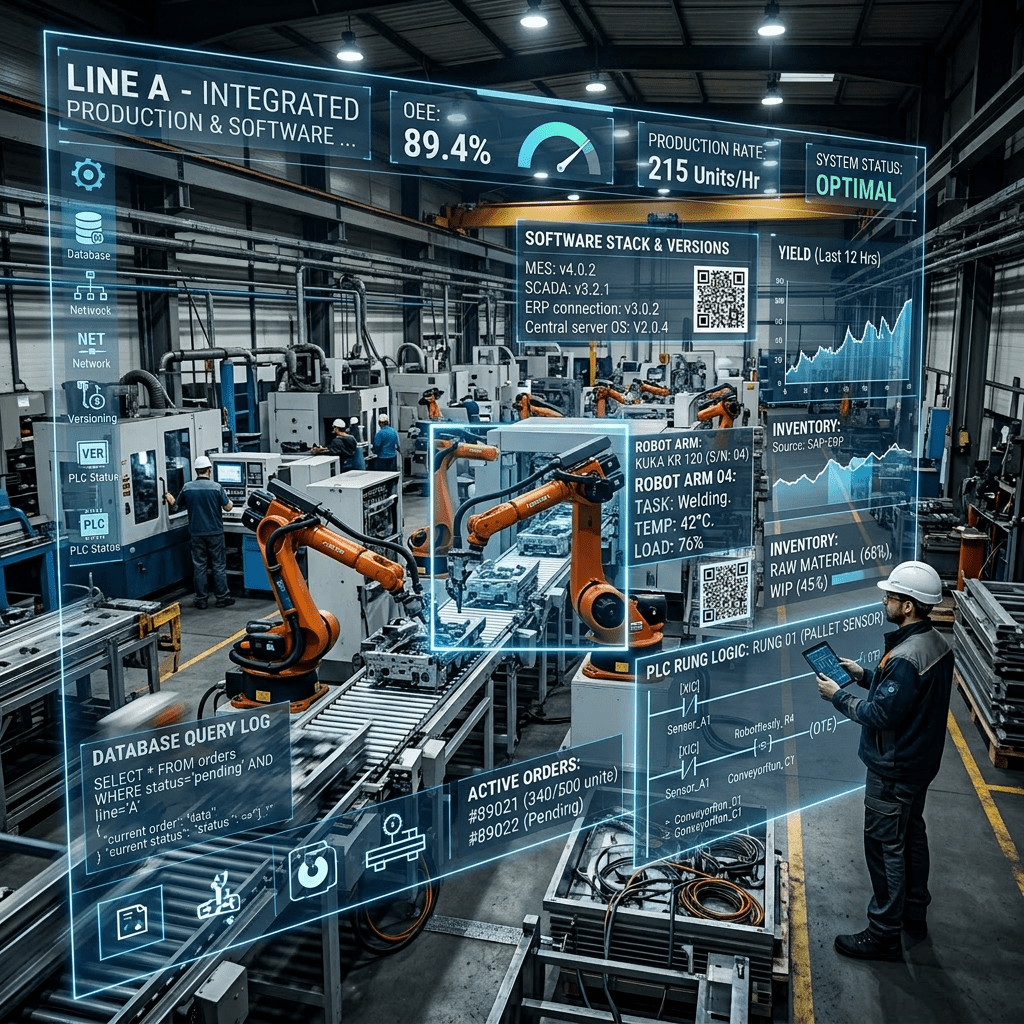
Manufacturing and software often operate in parallel worlds. On one side, the shop floor values precision, repeatability, and physical output.
On the other, software evolves rapidly driven by iterations, updates, and abstraction. The real challenge lies not in either domain, but in the space between them. That’s where communication becomes critical.
Modern manufacturing increasingly depends on software whether it’s for performance tuning, workload optimization, or system-level efficiency. Yet, the people building these solutions and the people using them don’t always speak the same language. This gap is not technical it’s interpretational. A specification document may be accurate but not usable. A performance report may be detailed but not actionable. Without clear translation, even the best engineering efforts risk underutilization.
From a content perspective, the role is not just to simplify but to retain intent while improving accessibility. It involves understanding how silicon-level improvements translate to system behavior, and ultimately, to business outcomes on the floor.
Translating engineering depth into operational clarity, Aligning technical capabilities with user expectations, Enabling better decision-making across Teams, Manufacturing doesn’t just need better tools. It needs better narratives around those tools.
And that is where the need for strong technical documentation becomes evident. Not as an afterthought, but as a core enabler connecting engineering intent with real-world execution.
Good documentation ensures that innovation is not just built, but understood, adopted, and effectively used where it matters most.
 Words panorama