I was wondering what should be the apt title… But eventually settled with this one. Even though you are with smartphone and computer since your college days, you are just a user and not engineer. Mind it! You need a degree to showcase.
The other day, One of my friends was asking you don’t have computer background and you say you are working in that field. So, have you learn anything? Do you have any knowledge related to that field or domain? Do you have that degree?
Obviously I was searching for answer…which I didn’t have. I read the basics about ‘Semiconductor Industry’ through Intel. They may not be knowing but there are people who read their knowledge banks. Right what is semiconductor… silicon… chip… server… rack… energy consumption and all.
To cut the the story short, here is something about my current work in technical domain. It’s about content creation and management. The company provides services to the semiconductor industry. These services span silicon, system, and software levels. I have been writing this everywhere from landing pages, brochures, LinkedIn posts and what not.

What is Performance?
Yes, so my first impression was it is related to Quality (Quality testing, assurance and control). Converting concepts in manufacturing terms feel comfortable to me. Input and output visible…all well. So, here it is somewhat right. They call it performance. We can say, it is something when something breaks, eg. If app works slowly.
It is not just about speed. It is about predictability, efficiency, and reliability across various incidents.
What is Performance Engineering?
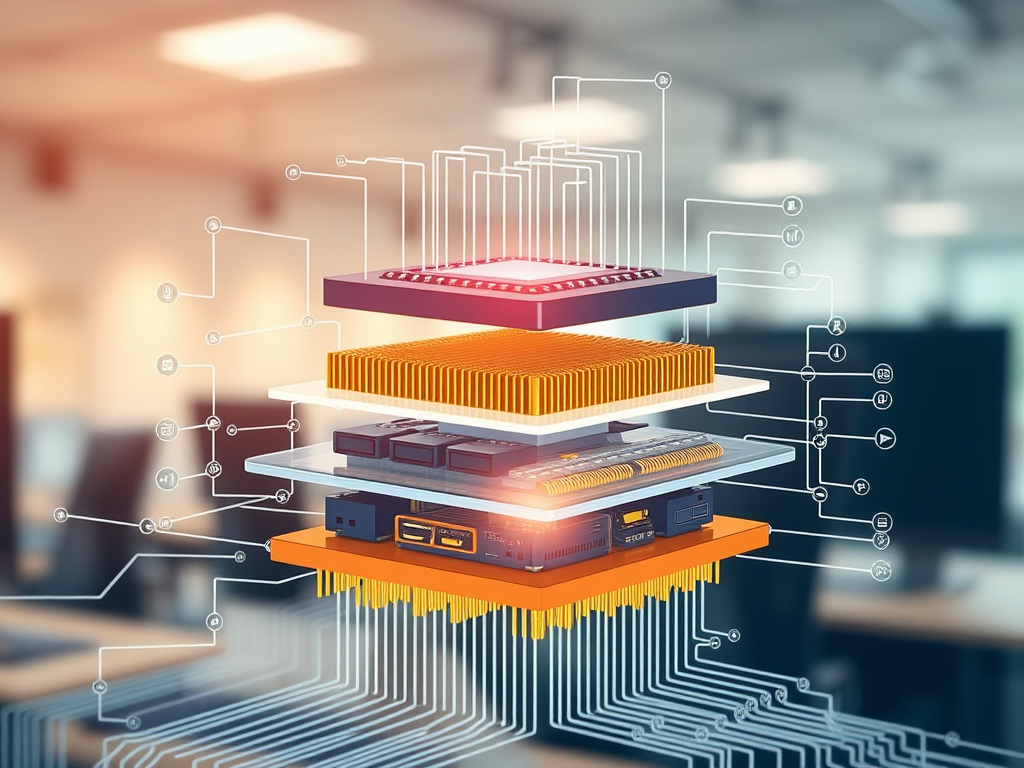
If performance engineering is about optimization? In reality, it is lot more, it spans three tightly connected layers. At silicon level, it checks, measures and suggests controlling measures about processor. It works power vs performance trade-offs. At system level, it works around hardware components working together. At software level, it tests how applications use the system.
What is Workload?
A workload is simply what the system is being asked to do. I would imagine a job given to any machine. Where we check input specifications, in process parameters and output quality of that particular job. Here, workload gets measured, tuned and aligned with expected outputs.
Two workloads can run on the same hardware and behave completely differently. Is what these engineers say. I am still finding, learning. This performance engineering focuses on
- Workload tuning
- Workload porting
- Workload benchmarking
Benchmarking?
We often come across benchmark word, with milestone. Does this has anything to do with it? Ummm kind of…it is measurement…or it is guesswork…or refined would be expected gains.
With benchmarking, performance engineers replace opinions with data.
Performance benchmarking answers:
- How fast?
- How scalable?
- How consistent?

Why Performance Engineering Is Not Just an Engineering Problem
Performance engineering also affects:
- Product positioning (what can we confidently claim?)
- Customer trust (do results match expectations?
As it comes into picture before silicon phase and even after chip is ready. So it affects both inward and outward chains.
This is why communicating performance correctly matters as much as measuring it.
As a content creator and social media manager in the semiconductor ecosystem, I have learned about performance. It is not just about charts.
Performance is a story backed by data. It is about understanding how systems behave, measuring what actually matters, and communicating results responsibly. And when done right, it builds trust.
 Words panorama