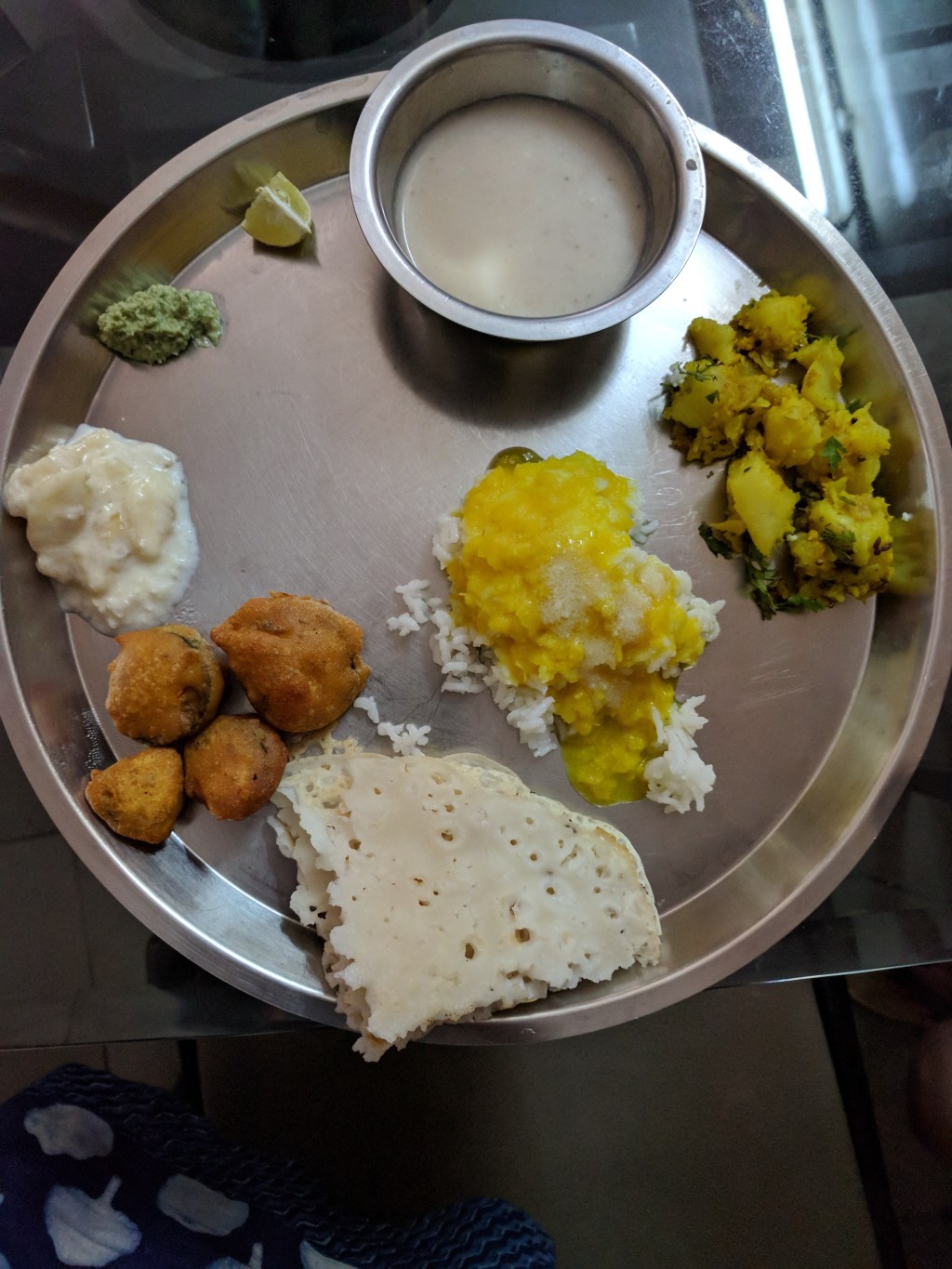


In every Indian household, we buy rice, lentils, wheat, seasonal fruits, and veggies.
In the past, people often purchased grains, oil, sugar, and jaggery in bulk, enough to last a year or more. While this approach offered the advantage of lower costs, it required significant effort to preserve and store these items properly. However, I think this practice is more related to time, space, and availability.
For instance, in Maharashtra, traditional preservation techniques were widely used. Rice was treated with preservative powders, wheat was stored with neem leaves to keep pests away, and all stocks were thoroughly sun-dried to enhance their shelf life. I fondly recall my mother and grandmother meticulously following these practices. Their patience and dedication were truly remarkable, reflecting their deep care and unmatched commitment to their families. I deeply admire those who continue these time-honored traditions even today.
These grains were then stored in large earthen pots or metal containers, sealed to prevent infestation. Have you ever seen such big vessels these days wherein 50 kg of rice or wheat can be stored? If our kitchen or utility space designers consider this much storage? Maybe they are…have not yet googled for the answer.
And the most important thing is the availability of grocery items in smaller portions. One can get each item on a monthly or even weekly basis as per requirement. This convenience saves time, space, and, most importantly, energy—energy that we use for everything from planning to actual utilization.
My train of thought has traveled far away from the topic. But this simple topic raised lots of questions about our changing lifestyles. For example, Are we a lot into short-term planning… in almost everything? Do we need everything with the least effort? If the quality of grains has changed? Is it the effect of marketing of brands that we tend to buy every other packaged raw material? Is it because of nuclear families? Or is it just the ‘generation’ factor? The latest is the safest 🙂
 Words panorama